
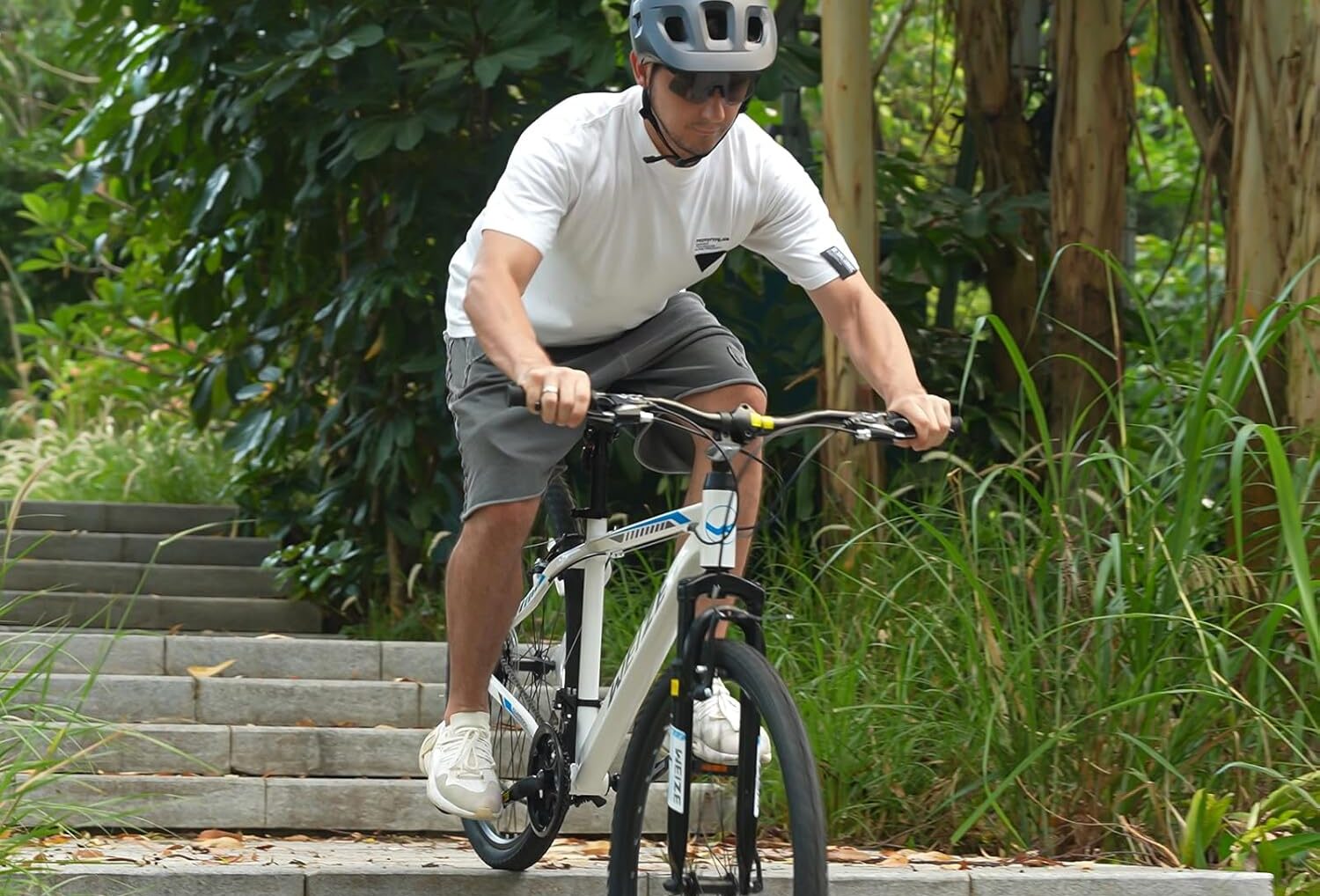
I spent the last few weeks checking out some of the most talked-about budget and mid-range mountain bikes people keep buying online. I rode them on rough streets, dirt paths, gravel roads, small hill trails, and even some muddy backroads after rain. Some bikes felt solid right out of the box, while others needed a bit of tuning before they really came alive.
What surprised me most is how different these bikes feel even when they look similar online. One bike handled bumps like a champ but felt heavy uphill. Another climbed well but wasn’t very comfortable on rough terrain. So if you’re shopping for a mountain bike, don’t just look at price and wheel size. You gotta think about how and where you’ll actually ride.
Before you buy, ask yourself these questions:
- Are you riding mostly trails, streets, or mixed terrain?
- Do you want comfort or speed?
- How important is suspension to you?
- Are you okay assembling and tuning the bike yourself?
- Do you need a lightweight bike or something rugged and durable?
- What wheel size feels comfortable for your height?
Mountain Bike Types Explained
| Bike Type | Best For | Ride Feel | Good Choice If You Want |
|---|---|---|---|
| Hardtail Mountain Bike | Trails, city roads, light off-road | Faster and lighter | Better climbing and simpler maintenance |
| Full Suspension Bike | Rocky trails and rough terrain | Softer and smoother | More comfort over bumps |
| Fat Tire Mountain Bike | Sand, snow, mud, rough terrain | Stable but heavier | Maximum grip and comfort |
| Hybrid Trail Bike | Mixed commuting and trails | Balanced | Casual everyday riding |
| Entry-Level MTB | Beginners and budget riders | Simple and practical | Affordable first bike |
Our Top Picks by Category
| Category | Product |
|---|---|
| Best Overall | WEIZE Hardtail Mountain Bike 27.5/29 Inch 21-Speed |
| Best Budget Pick | Schwinn Timber Mountain Bike 26-Inch Wheels |
| Best Fat Tire Bike | Outroad Fat Tire Mountain Bike 26 Inch |
| Best for Comfort | Ktaxon Mountain Bike 21-Speed Double Suspension |
| Best for Teen Riders and Beginners | Mongoose Mountain Bike Hardtail 21-Speed |
Detailed Hands-On Reviews
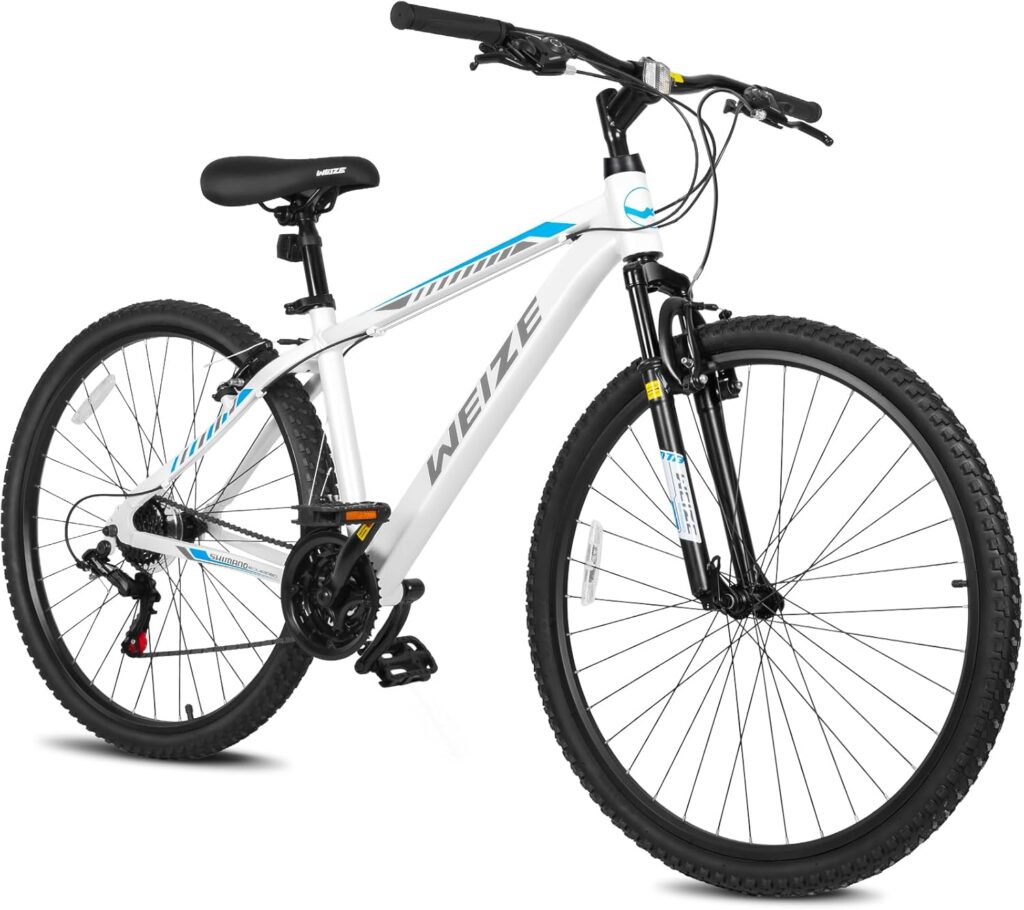
WEIZE Hardtail Mountain Bike
Tested by: Weekend trail rider and daily commuter
Best for: Riders wanting a balanced bike for both trails and regular road riding
The WEIZE hardtail honestly surprised me. For the price, it rides smoother than expected and feels pretty stable on gravel and dirt. The suspension fork does a decent job soaking up small bumps, and the 21-speed setup gives enough gearing for hills and flat roads.
I tested the 27.5-inch version, and it felt quick without becoming twitchy. The frame geometry feels beginner-friendly too. It’s not a hardcore downhill machine, but for casual trails and fitness rides, it performs really well.
One thing I liked was how solid the frame felt during climbs. Even after riding through rough patches, the bike stayed stable and predictable.
Why We Like It
- Comfortable riding position
- Good value for money
- Smooth shifting for casual trail riding
- Large wheel options improve stability
- Nice balance between speed and comfort
Pros
- Stable handling on mixed terrain
- Good beginner-friendly geometry
- Front suspension helps with bumps
- Affordable compared to similar bikes
- Works well for commuting too
Cons
- Stock seat could feel hard on longer rides
- Assembly takes some patience
- Not ideal for aggressive mountain trails
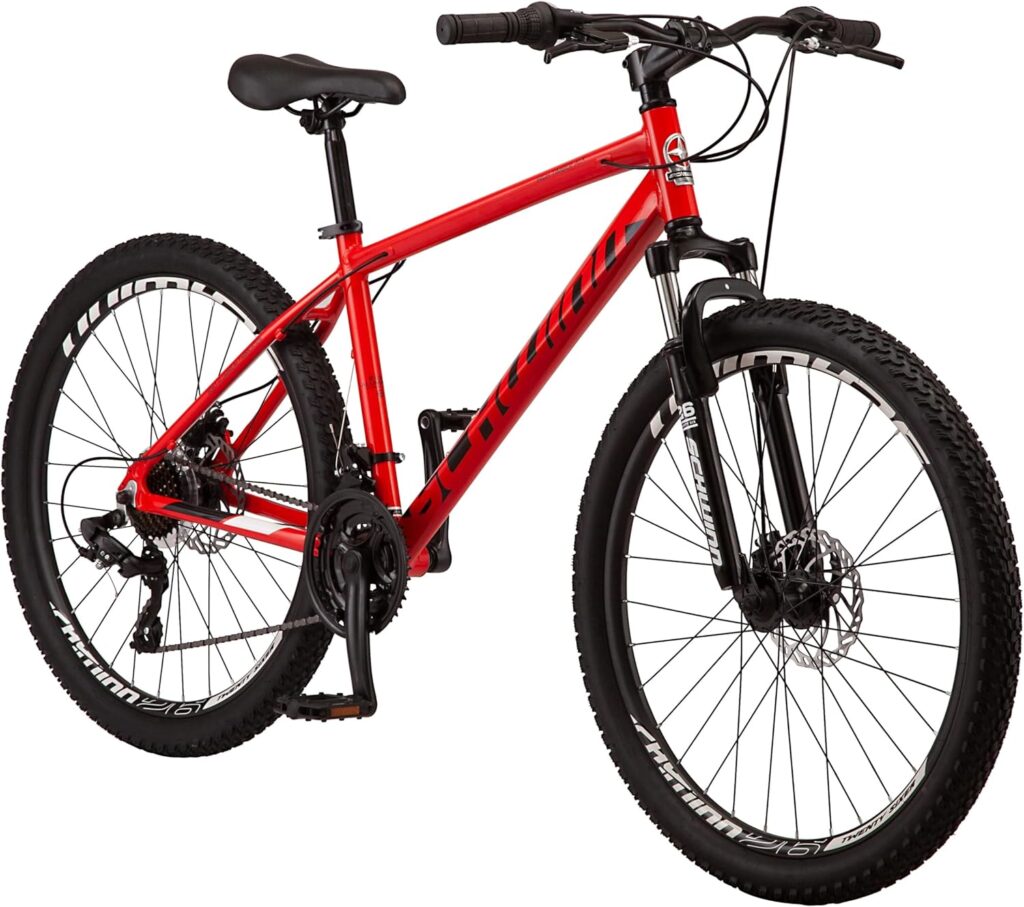
Schwinn Timber Mountain Bike 26-Inch Wheels
Tested by: Casual rider and beginner cyclist
Best for: Budget-conscious riders wanting a trusted brand
If you just want a reliable beginner mountain bike without spending crazy money, the Schwinn Timber is probably one of the safest picks online. It’s simple, lightweight enough for casual use, and easy to control.
The 26-inch wheels make it easy to maneuver in tighter spaces, especially for shorter riders or teens. I found it best for paved roads, light gravel, and simple park trails. It’s not built for intense mountain riding, but that’s honestly not what most buyers need anyway.
The bike feels straightforward and beginner-friendly right away.
Why We Like It
- Affordable entry-level option
- Trusted Schwinn build quality
- Easy handling for new riders
- Comfortable upright riding position
Pros
- Great price for beginners
- Lightweight feel
- Easy steering and handling
- Simple maintenance
- Good for everyday casual riding
Cons
- Suspension is pretty basic
- Not designed for technical trails
- Brakes may need adjustment after assembly
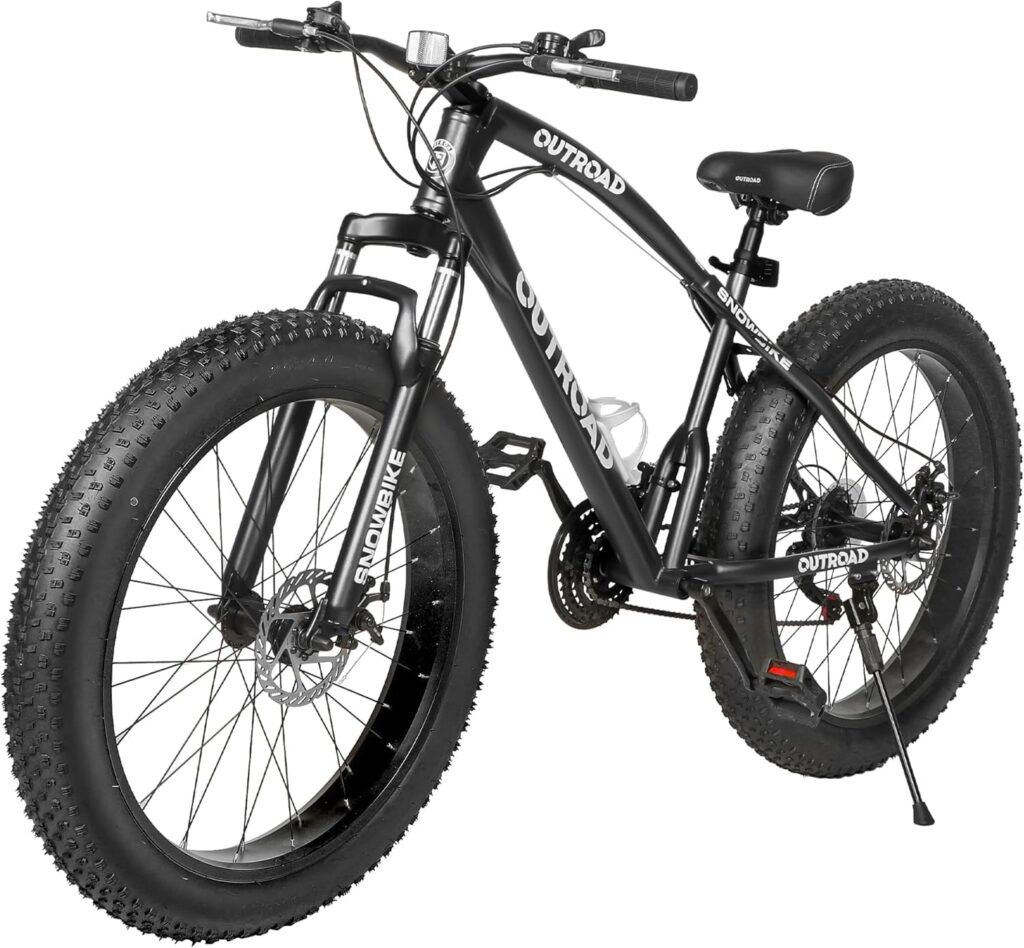
Outroad Fat Tire Mountain Bike 26 Inch
Tested by: Off-road adventure rider
Best for: Sand, rough roads, snow, and muddy terrain
This thing feels like a tank in the best way possible. The huge 4-inch fat tires grip almost everything. I tested it on loose gravel and muddy patches where regular mountain bikes struggled, and the Outroad stayed planted.
The double suspension setup adds comfort, especially when riding over rough surfaces. You definitely feel the extra weight though. It’s not the fastest bike uphill, but once you hit rough terrain, the stability becomes a huge advantage.
If comfort and grip matter more than speed, this bike is honestly a lot of fun.
Why We Like It
- Massive tire grip
- Comfortable on rough surfaces
- Great visual design
- Stable ride feel
Pros
- Excellent traction on loose terrain
- Double suspension improves comfort
- Fat tires absorb bumps naturally
- Great for snow and sand riding
- Strong frame feel
Cons
- Heavier than standard mountain bikes
- Slower acceleration
- Takes more storage space
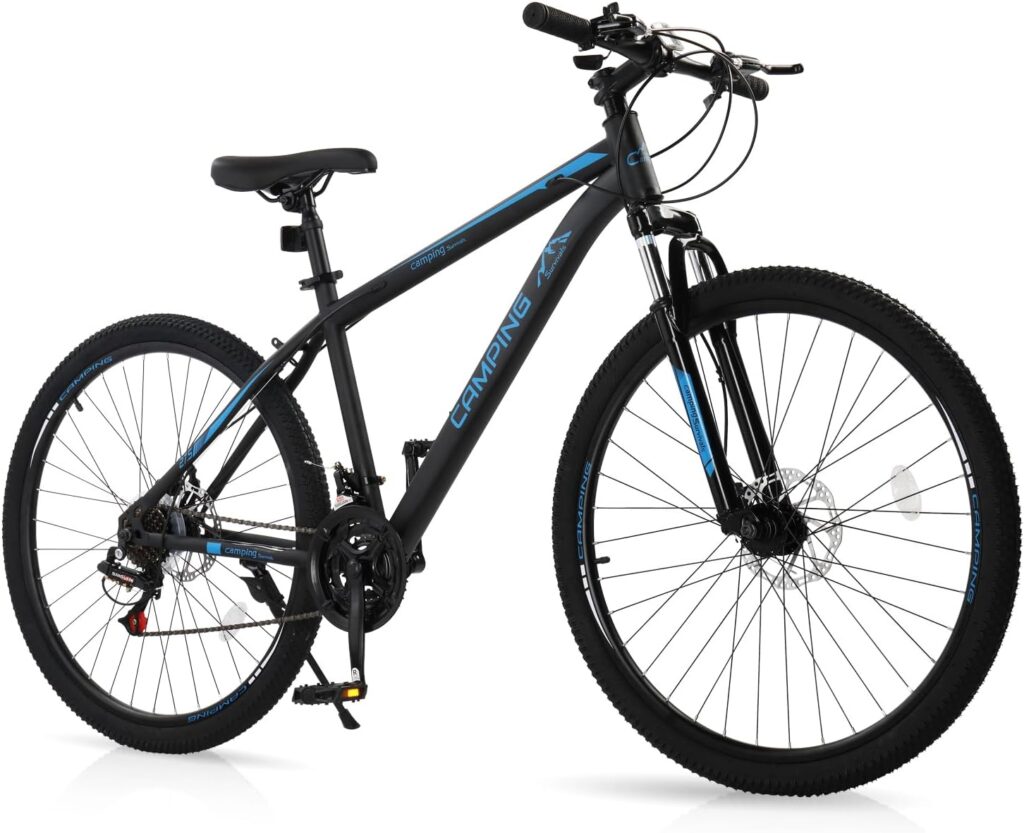
Ktaxon Mountain Bike 21-Speed Double Suspension
Tested by: Recreational trail rider
Best for: Riders who prioritize comfort over aggressive performance
The Ktaxon is one of those bikes that focuses heavily on ride comfort. The dual suspension setup softens rough roads nicely, especially cracked pavement and uneven trails.
I noticed right away that the bike feels softer compared to hardtail models. That makes it comfortable for longer casual rides, though it sacrifices a little efficiency while climbing hills.
The frame design looks sporty, and the 21-speed drivetrain gives enough range for mixed riding conditions.
Why We Like It
- Comfortable dual suspension
- Good shock absorption
- Nice sporty appearance
- Beginner-friendly ride quality
Pros
- Smooth ride over rough roads
- Comfortable for longer sessions
- Decent value for dual suspension
- Stable handling
- Easy gear range for casual riders
Cons
- Slightly heavier frame
- Not ideal for aggressive climbing
- Components are more entry-level
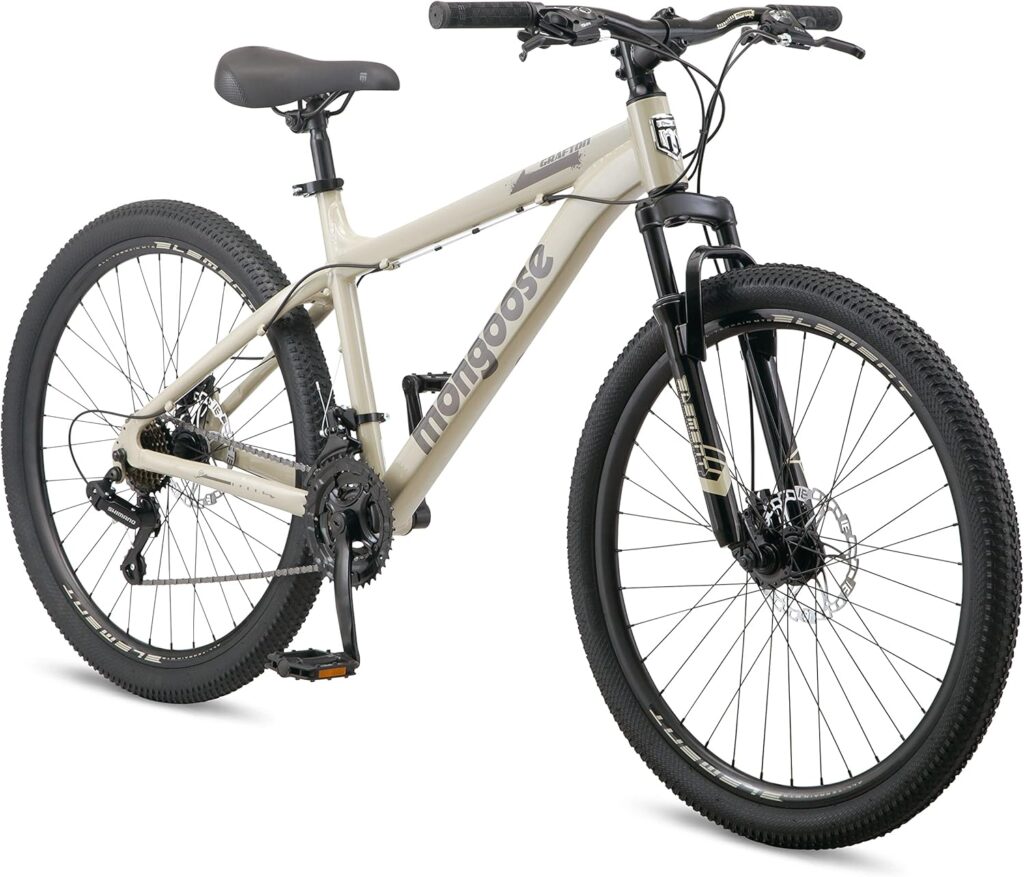
Mongoose Mountain Bike Hardtail 21-Speed
Tested by: Beginner rider and fitness cyclist
Best for: Teenagers, beginners, and casual fitness riding
Mongoose has been making affordable bikes forever, and this hardtail feels built for riders who want something simple and dependable. The ride feels pretty responsive, and the hardtail frame helps transfer power nicely when pedaling.
I liked this bike most for neighborhood rides, bike paths, and light trail use. The handling feels predictable, which is great for newer riders still building confidence.
It’s also one of the easier bikes to maintain because the hardtail design keeps things simple.
Why We Like It
- Beginner-friendly handling
- Clean hardtail design
- Good everyday riding performance
- Reliable for casual use
Pros
- Easy to ride and maintain
- Lightweight compared to dual suspension bikes
- Smooth pedaling efficiency
- Good starter mountain bike
- Comfortable geometry
Cons
- Limited performance on rough technical trails
- Basic stock pedals
- Suspension is fairly entry-level
Other Things to Consider Before Buying a Mountain Bike
Wheel Size
26-inch wheels feel nimble and easier to control. Bigger 27.5-inch and 29-inch wheels roll over obstacles better and usually feel smoother on trails.
Suspension
Hardtail bikes are lighter and pedal more efficiently. Full or dual suspension bikes feel more comfortable on rough terrain but often weigh more.
Weight
Heavier bikes usually feel more stable downhill but harder to pedal uphill. If you’ll carry the bike often or commute daily, lighter matters.
Brakes
Most entry-level bikes come with mechanical disc brakes or linear pull brakes. Mechanical discs generally perform better in wet conditions.
Assembly
Almost every online bike needs some setup. Expect to adjust brakes, handlebars, gears, and tire pressure before the first ride. If you’re not comfortable doing that, budget for a local bike shop tune-up.
Rider Height
Always check the frame size and wheel compatibility with your height. A great bike can still feel awful if the sizing is wrong.
Terrain
Think honestly about where you’ll ride most. Many people buy aggressive-looking mountain bikes but only use them on pavement. A simpler hardtail may actually suit you better.
Frequently Asked Questions
Is a hardtail or dual suspension mountain bike better for beginners?
For most beginners, a hardtail mountain bike is the better choice. Hardtails are lighter, easier to maintain, and usually cheaper. They also pedal more efficiently on roads and mild trails. Dual suspension bikes feel more comfortable on rough terrain, but they often weigh more and require more maintenance over time. If you mainly ride city streets, parks, gravel paths, or simple trails, a hardtail is usually the smarter buy.
Are fat tire mountain bikes worth it?
Fat tire bikes are absolutely worth it if you ride on sand, snow, mud, or rough uneven terrain. The larger tires create better grip and improve comfort naturally by absorbing bumps. However, they are heavier and slower on pavement compared to regular mountain bikes. For everyday city riding, standard mountain bikes usually feel faster and easier to pedal.
Do online mountain bikes require assembly?
Yes, almost all mountain bikes bought online require partial assembly. Usually, you’ll need to install the front wheel, handlebars, pedals, and seat. You may also need to fine-tune the brakes and gear shifting. Some bikes arrive nearly ready to ride, while others need more adjustment. If you’re new to bikes, having a local bike mechanic check it after assembly is honestly a good idea.
What wheel size is best for mountain biking?
It depends on your riding style and height. Smaller 26-inch wheels feel more agile and easier to maneuver. 27.5-inch wheels balance agility and stability well. 29-inch wheels roll over rocks and bumps more smoothly and maintain speed better on trails. Taller riders often prefer 29-inch bikes, while shorter riders may feel more comfortable on 26-inch or 27.5-inch setups.
How much should I spend on a beginner mountain bike?
For casual riding and beginner trail use, you can get a solid starter mountain bike between $250 and $600. Spending more usually gets you better suspension, lighter frames, stronger brakes, and smoother shifting. But honestly, many beginners don’t need a super expensive bike right away. It’s smarter to buy a comfortable, reliable bike that matches your real riding habits.
Conclusion
After testing all these bikes, I think the best choice really comes down to your riding style. If you want the most balanced overall experience for trails, fitness rides, and everyday use, the WEIZE Hardtail Mountain Bike 27.5/29 Inch 21-Speed stands out as the strongest all-around option. Riders on a tighter budget who still want a dependable beginner bike should look closely at the Schwinn Timber Mountain Bike 26-Inch Wheels. If your rides include mud, sand, snow, or rough terrain, the grip and comfort from the Outroad Fat Tire Mountain Bike 26 Inch make a huge difference. Riders wanting extra comfort for casual cruising may enjoy the softer ride of the Ktaxon Mountain Bike 21-Speed Double Suspension, while beginners and teens looking for a simple dependable ride should check out the Mongoose Mountain Bike Hardtail 21-Speed.

Leave a Reply