

The How to tell if soccer cleats fit properly is worth a close look, choosing the right soccer cleats can be the difference between an enjoyable match and painful distractions on the field. A proper fit enhances comfort and support, helping to prevent blisters and foot pain. To ensure your cleats fit well, consider key factors such as heel grip, toe space, lace pressure, and arch support.
Understanding how to identify a proper fit goes beyond simply trying them on and lacing them up. Here’s a detailed guide to achieving that ideal fit.
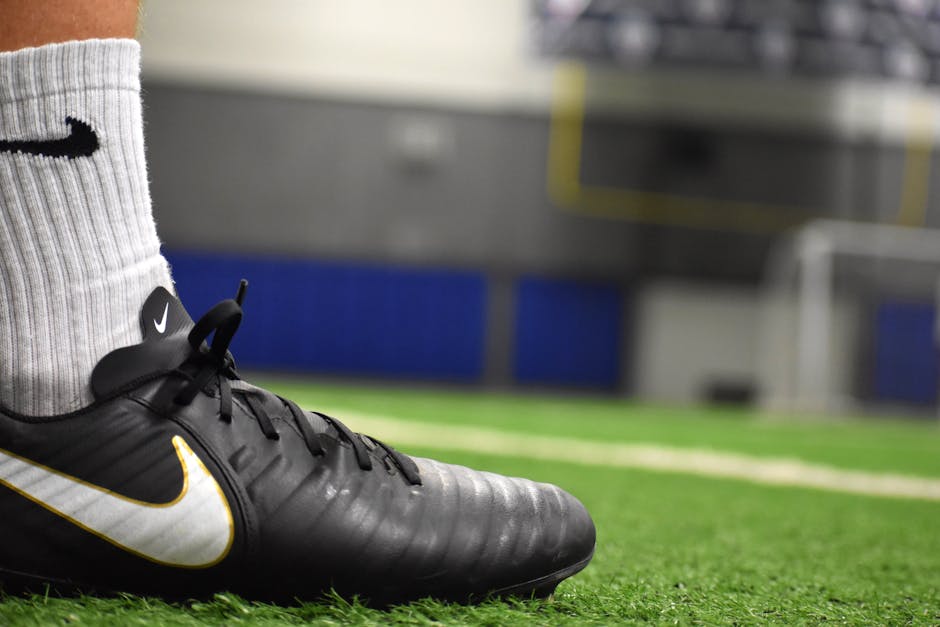
Key Indicators of Proper Soccer Cleat Fit
Start by assessing heel grip. Your heel should sit securely against the back of the shoe without any lift. If your heel moves when you walk or kick, the cleats are too large. A well-fitted cleat ensures stability, crucial for quick movements on the field.
Next, examine toe space. There should be sufficient room in the toe box for some movement, but not so much that your foot shifts around inside the shoe. A good rule of thumb is to fit a finger behind your heel when your toes touch the front. If your toes are cramped, the cleats are too small.
Be sure to check this while standing, as your foot naturally expands under weight.
Assessing Lace Pressure and Comfort
Lace pressure is vital for a secure fit. After lacing up, the cleats should feel snug yet comfortable, with no need for constant adjustments during play. If you experience tightness on the top of your foot, it might indicate pressure points that can lead to discomfort. Look for cleats with a lacing system designed to evenly distribute pressure.
Comfort varies, but it’s essential. Walk or jog a bit in the cleats to gauge how they feel. Look for any hot spots that could develop into blisters during a match. The right cleats should feel like a natural extension of your foot.

Addressing Common Fit Issues
One frequent problem players encounter is cleats that are either too tight or too loose. Tight cleats can lead to blisters, while loose ones can cause slippage, affecting stability. If discomfort arises, it may be time to try a different style or model tailored to your unique foot shape.
Another significant concern is the lack of arch support. Players with flat feet often require cleats that offer enhanced arch support. Some brands provide insoles that can boost comfort and fit. Experimenting with various insoles can help achieve the best alignment for your foot structure during gameplay.
Your Best Fit: Key Takeaways
When evaluating soccer cleatsremember that fit is about more than just size. Prioritize heel grip, toe space, lace pressure, and arch support. Avoid the common misconception that tighter always means better; aim for a balance between snugness and comfort. A well-fitted cleat will let you focus on your performance, free from discomfort.
Invest time in finding the right pair, and your feet will feel more comfortable throughout the game. The right fit makes a marked difference in your overall soccer experience and performance.
Frequently Asked Questions
How should soccer cleats fit lengthwise?
Soccer cleats should fit snugly lengthwise, allowing for about a thumb’s width of space between the end of your longest toe and the front of the shoe. This ensures that your toes have room to move without being cramped, preventing discomfort during play.
Why do soccer cleats hurt my feet?
Soccer cleats may hurt your feet due to improper fit, inadequate cushioning, or lack of support. It’s important to find the right size and style for your foot shape to minimize pressure points and friction.
Can soccer cleats be stretched?
Yes, soccer cleats can sometimes be stretched, particularly if they are made from leather or other flexible materials. However, it’s important to do this carefully, as overstretching can damage them.
What to do if soccer cleats are too tight?
If your soccer cleats are too tight, consider using a shoe stretcher or wearing them with thicker socks for a short period to create more room. If that doesn’t work, it might be best to try a larger size or a different model.
Is it better for soccer cleats to be tight or loose?
It is better for soccer cleats to fit snugly rather than being loose, as a tight fit helps prevent slipping and enhances control over the ball. However, they should not be so tight that they cause pain or restrict blood flow.

Leave a Reply