

What to look for in soccer cleats includes comfort, fit, and appropriate traction, as improper footwear leads to over 50% of soccer-related injuries. Selecting the right cleats can significantly enhance performance and reduce the risk of injury. Key features to consider are the cleat type suited for your playing surface, the material for breathability, and the fit for optimal support.
Begin by prioritizing fit and comfort. A snug fit prevents blisters and foot pain, allowing you to concentrate on the game rather than your footwear. Next, consider the sole type and cleat material; each plays a vital role in determining your traction and support during gameplay. Understanding how these factors affect performance is essential for making an informed purchase.
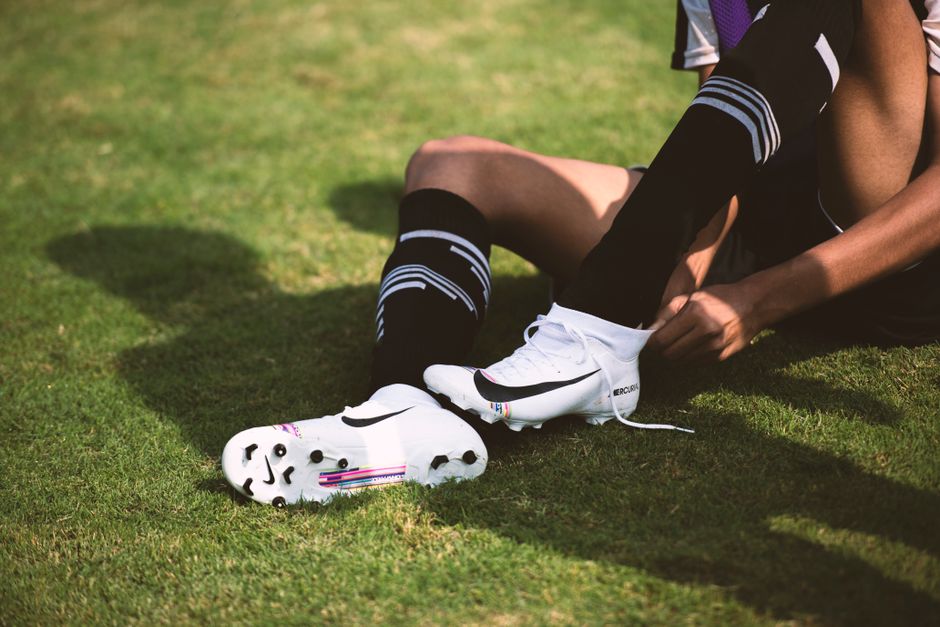
Essential Features to Look For in Soccer Cleats
When selecting soccer cleatsfit and comfort should top your list. Look for a snug fit around your foot without being overly tight; shoes that are too loose can lead to slipping and blisters. It’s essential to try on different brands to find the one that fits your foot shape best.
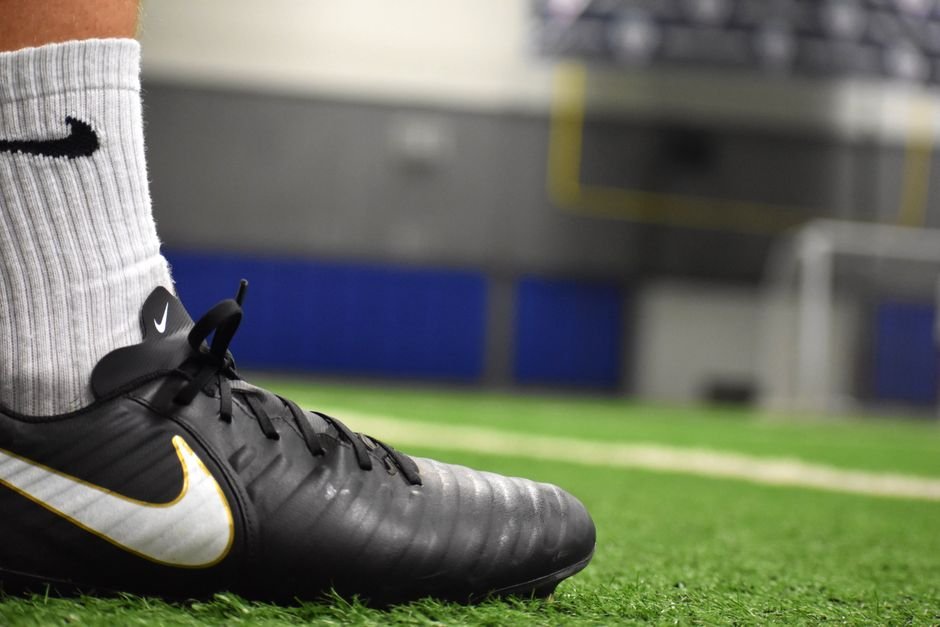
Material quality matters as well. Leather cleats typically offer superior breathability and tend to mold to your feet, improving comfort over time. In contrast, synthetic materials are often lighter and easier to maintain. Given that high-quality options start around $100, consider your playing style when making your choice. If you want more details on the differences, check out this guide on Leather vs Synthetic Soccer Cleats.
Choosing the Right Cleat Type for Your Playing Surface
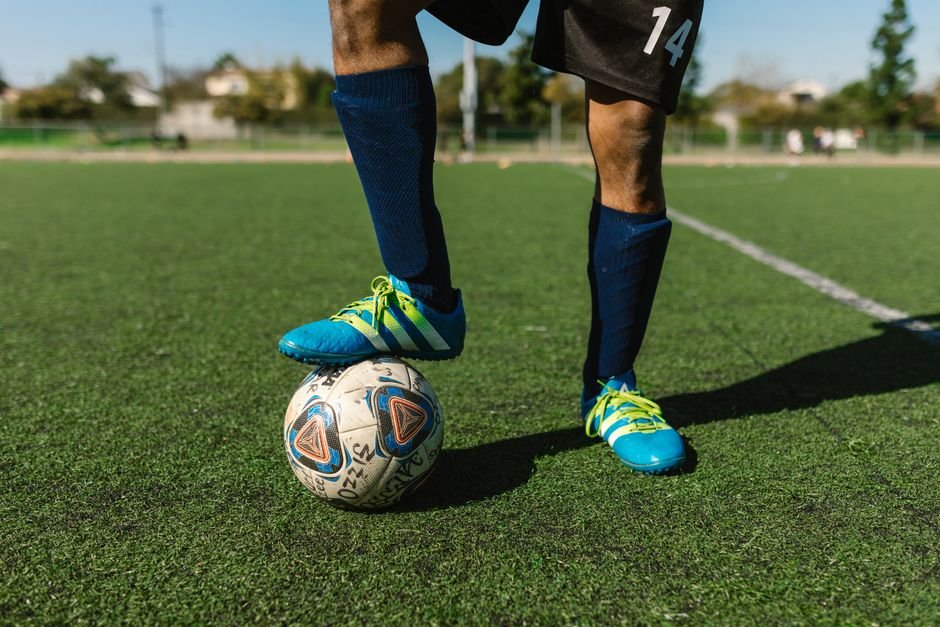
Different cleat types cater to various playing surfaces: firm ground (FG) cleats suit natural grass, soft ground (SG) cleats are ideal for muddy fields, and artificial ground (AG) cleats work best on turf. Selecting the appropriate type is critical; for example, using FG cleats on turf can lead to poor traction and higher injury risk.
Consider your typical playing conditions when selecting a sole type. If you often play on grass, invest in firm ground cleats. Soft ground options are unnecessary unless you frequently encounter soggy fields. For more information, read up on Firm Ground (FG) vs Soft Ground (SG) Soccer Cleats.

Maximizing Traction and Support
Your cleats should provide excellent traction and support with a design that features strategically placed studs. A reliable stud pattern enhances grip, allowing for improved movement during sharp turns and accelerations. Consider the demands of your playing position: forwards benefit from lower-profile boots that enhance ankle mobility, while defenders might prefer higher-cut cleats for added support.
What’s the Cost of Soccer Cleats?
Soccer cleat prices can range widely, generally starting around $100 and reaching up to $300 or more depending on factors like brand and technology. However, expensive doesn’t always equate to better performance. Many budget-friendly brands offer great quality and functionality. Explore sales or last season’s models to find effective options that won’t strain your wallet.
Remember, some affordable cleats can outperform higher-priced alternatives. Keep an eye out for discounts and promotional offers, as these can help you score a great deal.
Final Recommendations for Soccer Cleats
The best soccer cleat for you depends on your playing style, surface types, and foot shape. Prioritize fit above all else and look for models that provide ample support and traction. Lightweight options with snug fits are excellent for fast-paced players, while soft ground cleats are crucial for those playing in muddy conditions. To understand what to look for in soccer cleatsinvesting time in finding the perfect cleats will enhance both your performance and enjoyment of the sport.
Frequently Asked Questions
What features should soccer cleats have?
Soccer cleats should have a lightweight design for speed and agility, good traction for varied playing surfaces, and a comfortable fit to prevent blisters. They often feature protective elements like padded collars and supportive uppers to enhance performance and minimize injury risk.
Why do soccer cleats have different soles?
Different soles are designed for specific playing surfaces such as firm ground, artificial turf, or soft ground. The type of sole affects grip, maneuverability, and stability, ensuring players can perform optimally on various pitches.
How do I choose soccer cleats for my position?
When choosing soccer cleats, consider your position on the field; forwards may opt for lighter cleats for speed, while defenders might prefer more robust options for stability. Additionally, look for features that enhance your specific playstyle, like agility for midfielders or support for goalkeepers.
Are expensive soccer cleats worth it?
Expensive soccer cleats often use higher quality materials and advanced technology, which can improve comfort, durability, and overall performance. However, it's essential to balance price with personal needs and fit, as many mid-range options also provide excellent features.
Can soccer cleats affect my game performance?
Yes, soccer cleats significantly impact game performance by providing the right traction, comfort, and support necessary for optimal movement on the field. Well-chosen cleats can enhance speed, agility, and stability, helping players perform at their best.
Leave a Reply